
HISTORY
Kiebitzberg® you can touch
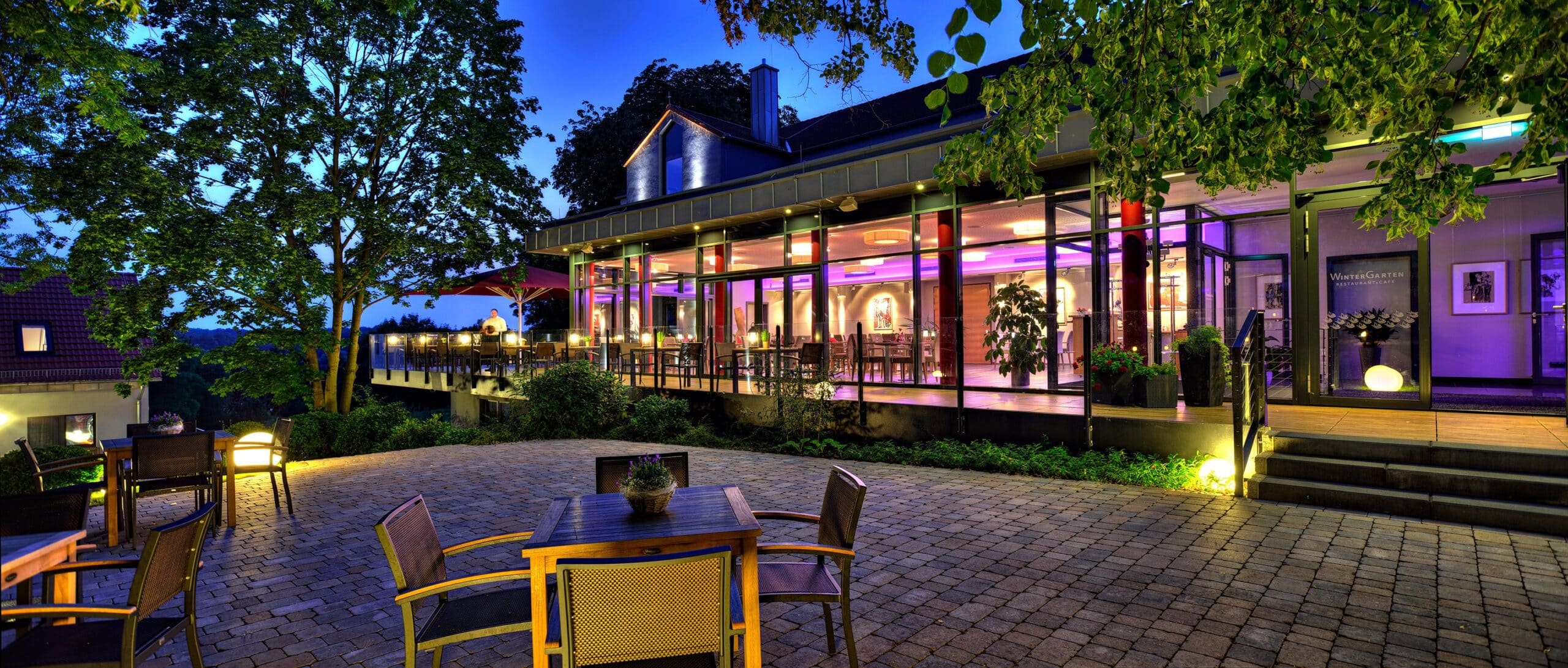
With the opening of the main building including restaurant, large concert hall, winter garden, sun terrace, bar and art gallery in 2012, we have achieved what we envisioned at the time: a hotel ensemble that we believe is harmonious overall.
Behind the individually furnished rooms with Kiebitzberg® furniture, the variable event rooms and the modern, sophisticated gastronomy is a coherent concept and an outstanding team performance.
Andreas & Renate Lewerken, owners and managing directors of the Kiebitzberg® Group
- Fall 2010 - start of construction work
- August 2011 Start of hotel operations in the guest house
- September 2012 Opening of main building with Schmokenberg® restaurant
SCHMOKENBERG HISTORY
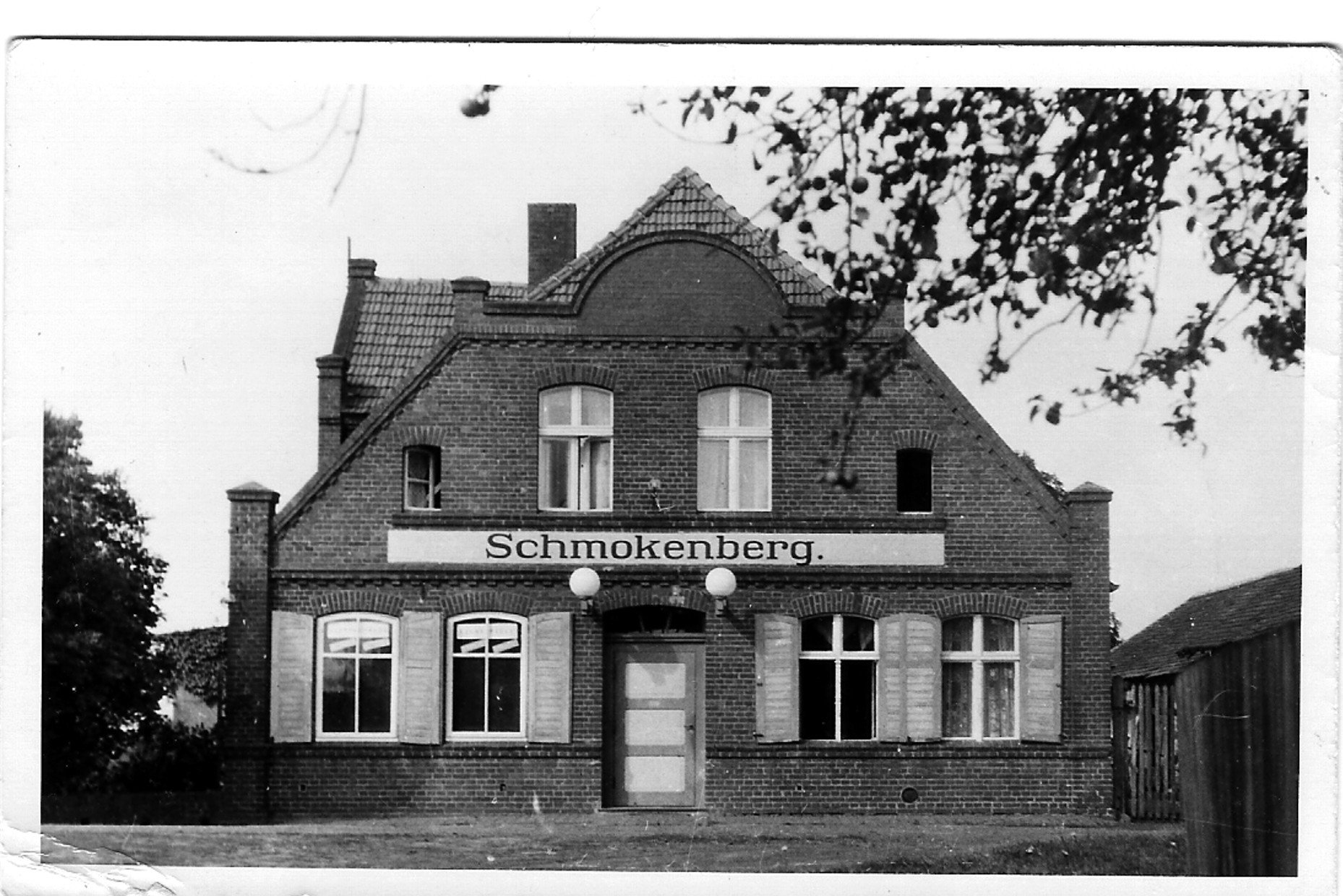
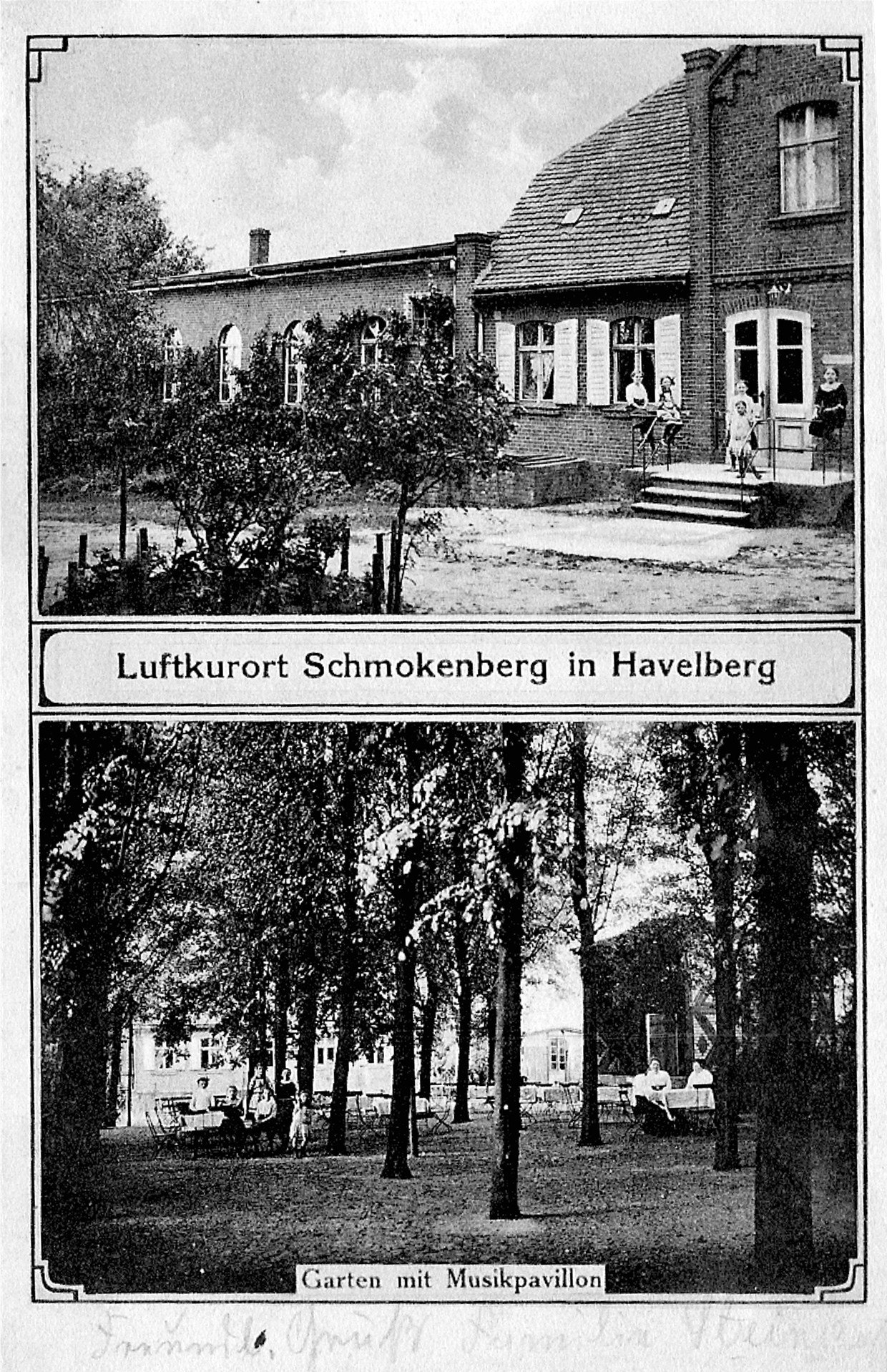

How did the mountain get its name?
Legend and true story of the Schmokenberg
The Schmokenberg and the Unterberg according to existing sources by Wilhelm Fubel
-excerpt-
The Schmokenberg, which is now home to a large garden restaurant, owes its name to two reasons:
Legend has it that the entire garrison was slain and the church burned during the great Wenden uprising following the storming of Havelberg Castle on June 28, 983.
Bishop Udo was murdered by his Wendish servant, but the monks had to endure torment and torture. The Wends slashed their scalps crosswise and tore them off while they were still alive.
Then the unfortunate ones were led out onto a mountain and tied to stakes; the Wends piled up wood and wet shrubbery all around and set fire to it, so that the poorest suffocated in the smoke or smog and burned miserably.
This is how the Schmokenberg got its name.
On the other hand, the records of the earlier linen weaving industry show that the weaver Johann Joachim Schmok from Nitzow was granted permission by King Frederick II to set up a factory.
The following account by Dr. Hartwich Havelberg, a member of the medical council, shows the difficulties the guild had caused him up to that point:
“At a trade union meeting, journeyman linen weaver Johann Joachim Schmok from Nitzow near Havelberg appears and announces that he intends to set up a damask factory in Havelberg - on the site now known as Schmokenberg - and that he needs a master's license to do so. The masters were shocked. Is this young man from Nitzow going to compete with us here with a factory? Schmok had to leave, he was advised and then, after re-entering, the old master told him that the guild could not grant him the right to be a master craftsman. He was only a journeyman master. (...)